So Napoli doesn’t have the best reputation. I’ve often heard people say it’s not at all worth the trip, that it’s dirty and dangerous and has nothing going for it (read: ‘Why no one wants to travel to Naples’). But I’ve always wanted to go there because it’s the birthplace of wood fired pizza! Shallow, I know. So after Ischia we spent a couple of days in Napoli before heading up to Rome.
We stayed at the somewhat infamous Giovanni’s House hostel. Giovanni is a slightly senior Napoli native who is known for his hour-long compulsory lecture introduction to the city for new arrivals. Seriously, he sits everyone down and delivers a very polished soliloquy on all the sites in and around the city and finishes by telling you it takes 9 days to do it all. Then admonishes those who say they’ve come from or are heading to Rome. “Napoli is more Roman than Rome!” I heard him cry more than once. He is lovely but expect a grilling when you get back after a day out and don’t bother cooking in the kitchen unless you’re ok with being told you’re doing everything wrong.
Anyway, here’s why Napoli is worth a visit:
1 The pizza, obviously

Sigh
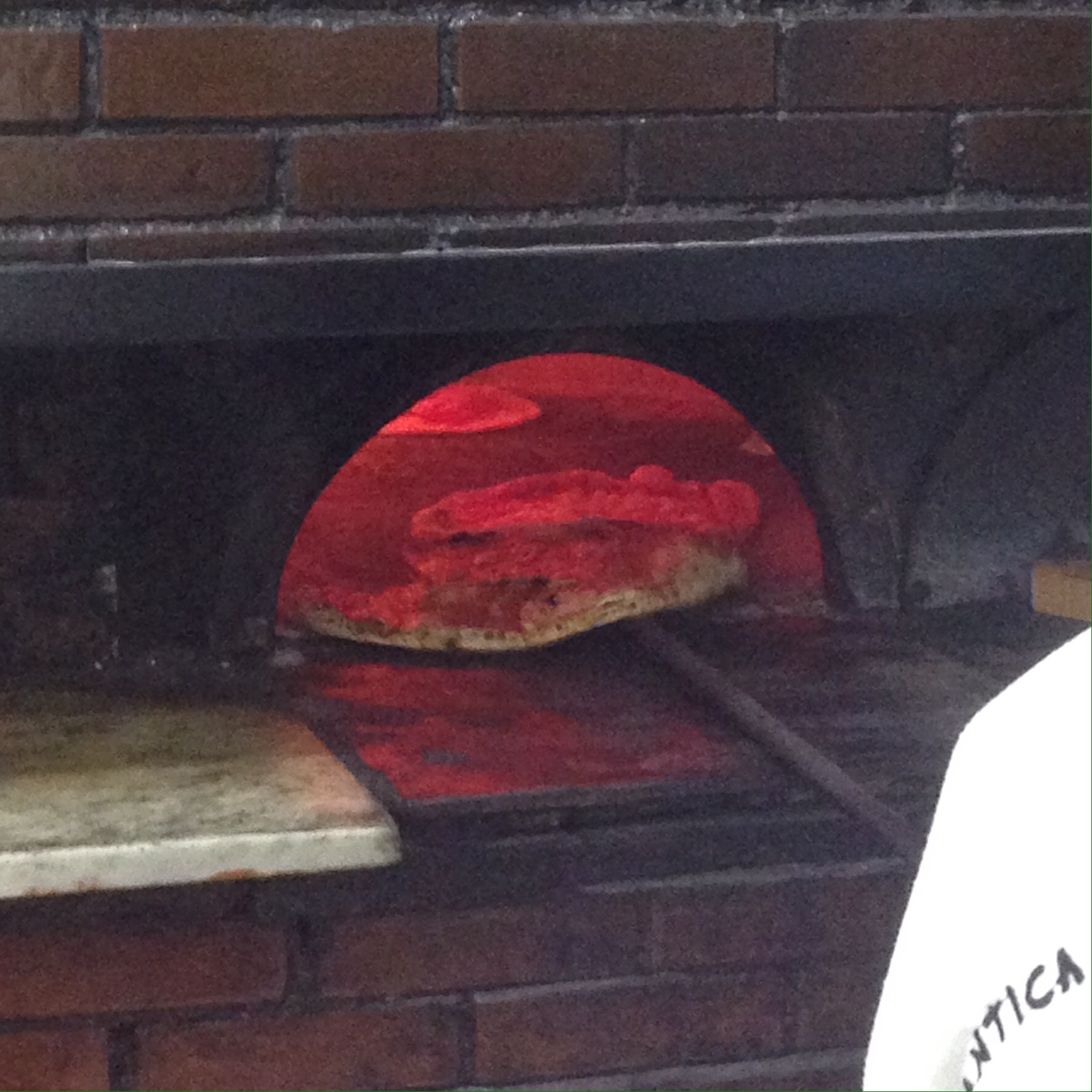
We ate pizza everyday, if not twice. With so many amazing pizzerias you can’t really afford to eat anything else. Classic margherita is the only way to go.
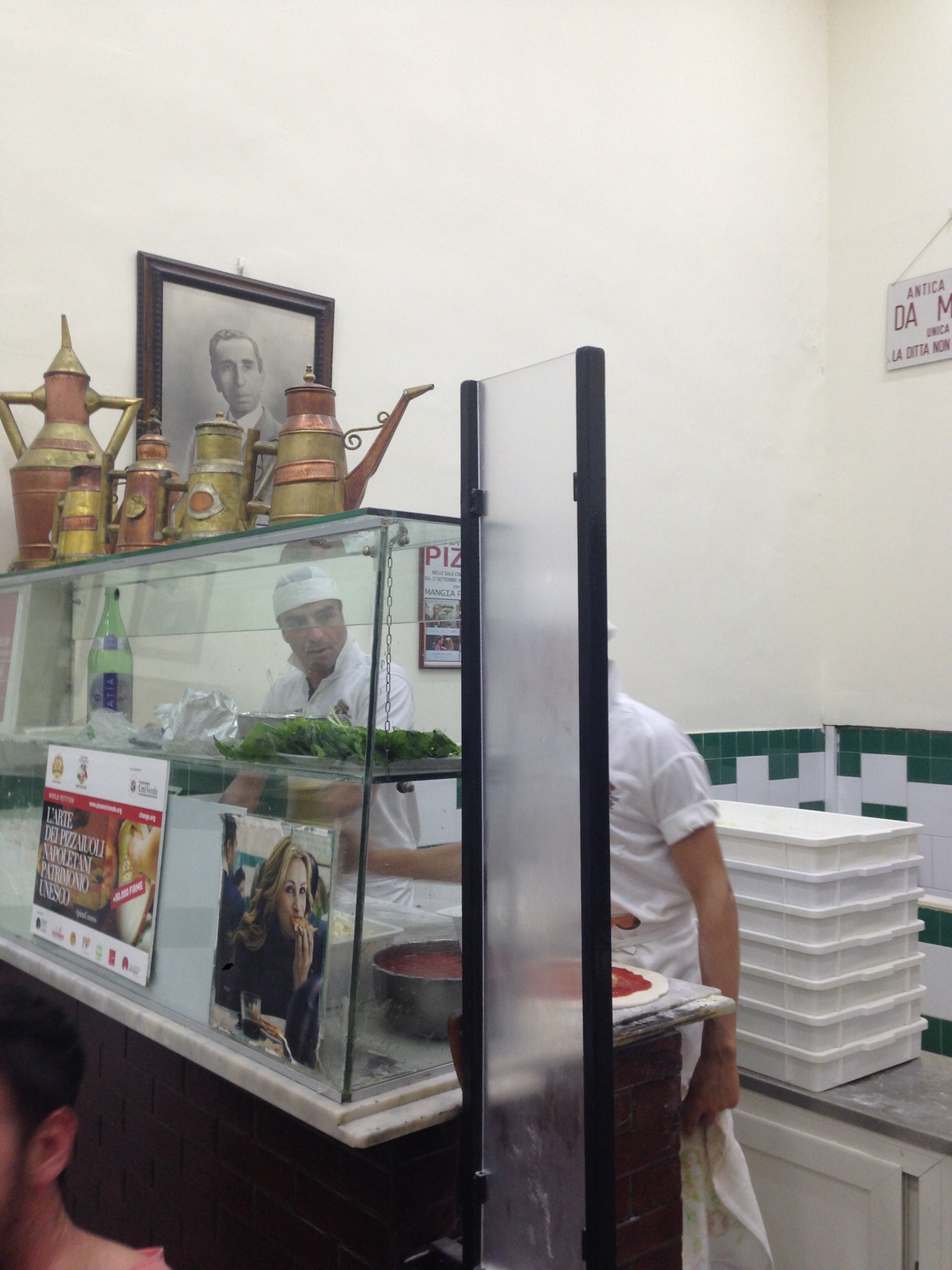
La Antica Pizzeria da Michele is possibly the most famous, thanks in large part to its cameo in the Julia Roberts rom com Eat Pray Love. It is constantly packed inside but the takeaway pizzas come out very promptly.
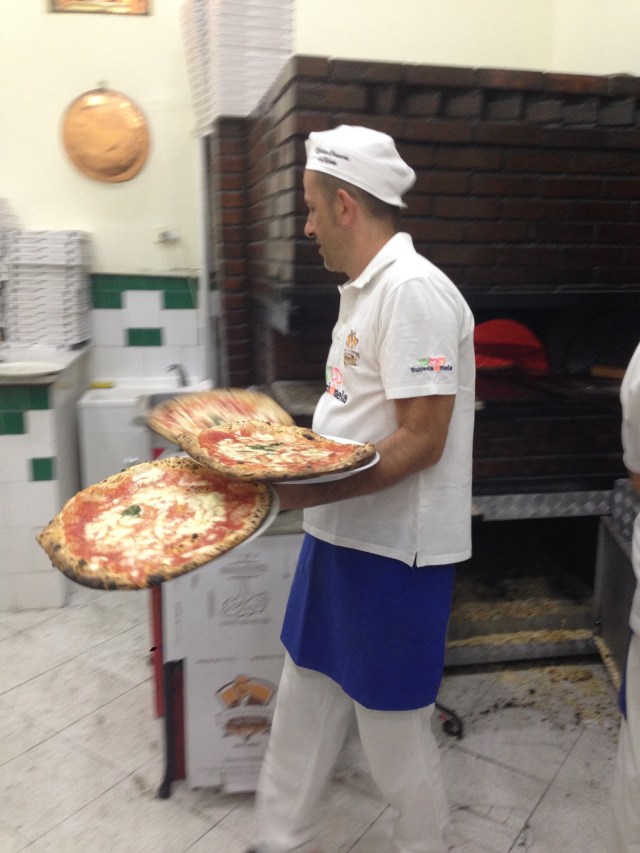

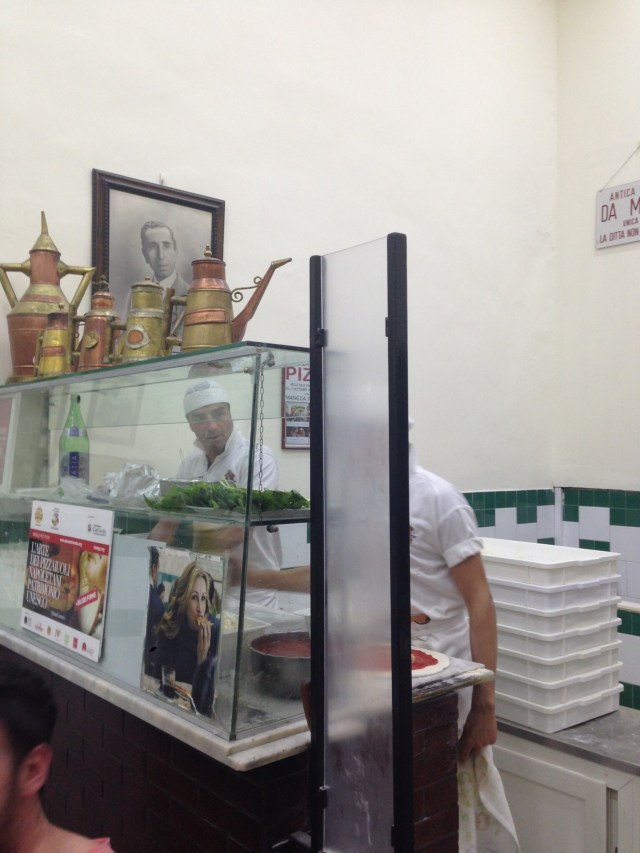
Where Julia Roberts sat
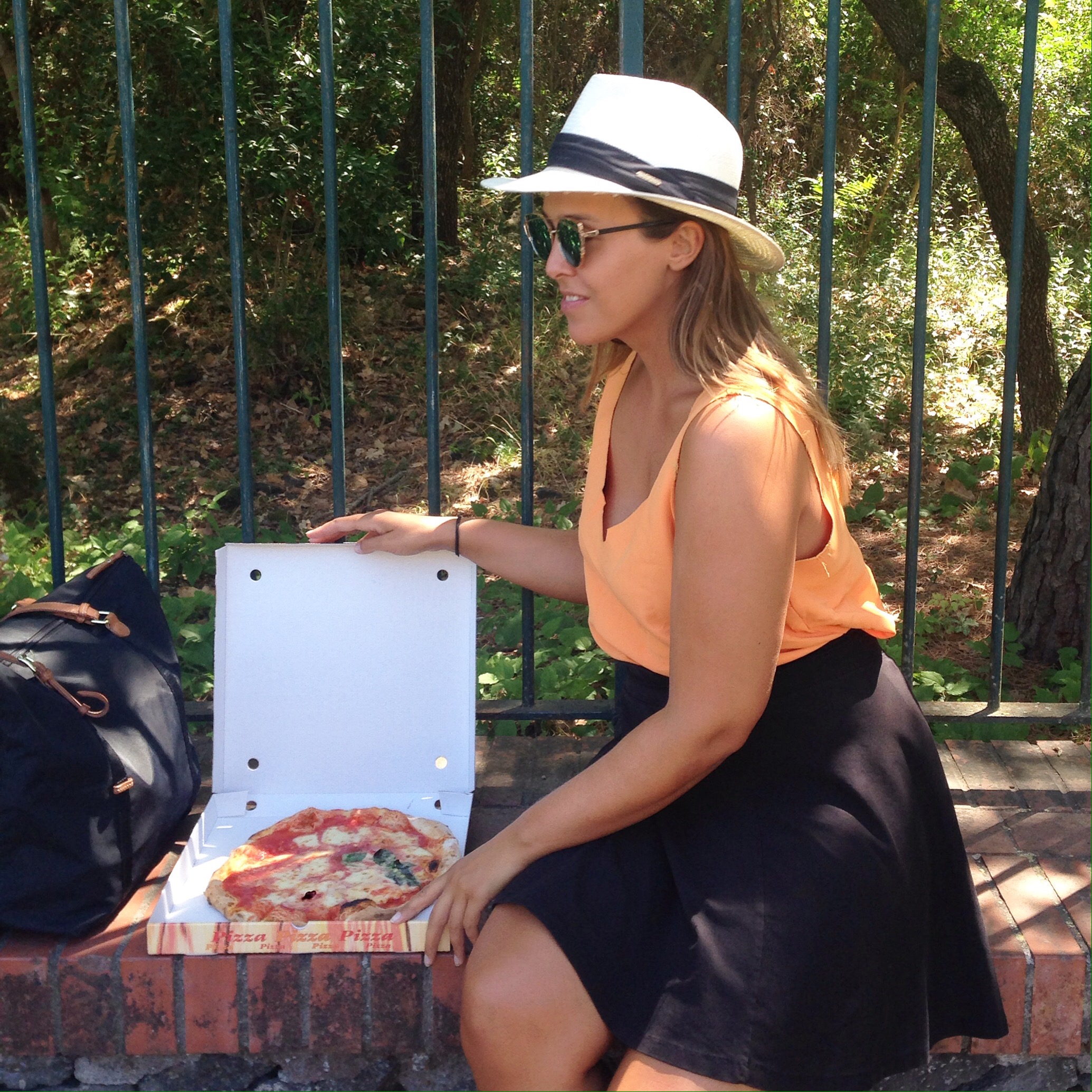
We grabbed a pizza each, found some random steps and sat down to feast:

My one true love ❤
The other pizzeria I would recommend is Gino Sorbillo Lievito Madre al Mare, it’s the one near the water, don’t fall for the inferior imitation! There is a park across the street with benches so you don’t even need to sit on the ground to eat it.
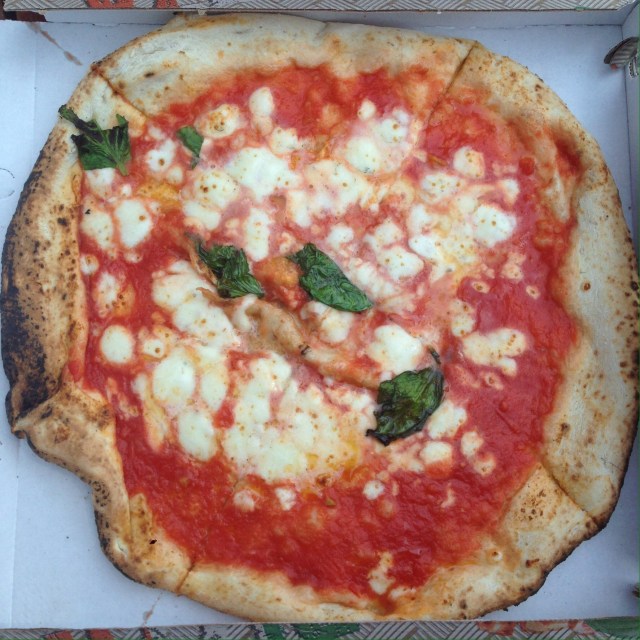
Hello!

2 All the other food!
Because we were staying in a hostel with a kitchen, we experienced making authentic carbonara with an authentic Italian (the aforementioned Giovanni). Real Carbonara doesn’t have cream in it; the creaminess should come from the eggs alone.
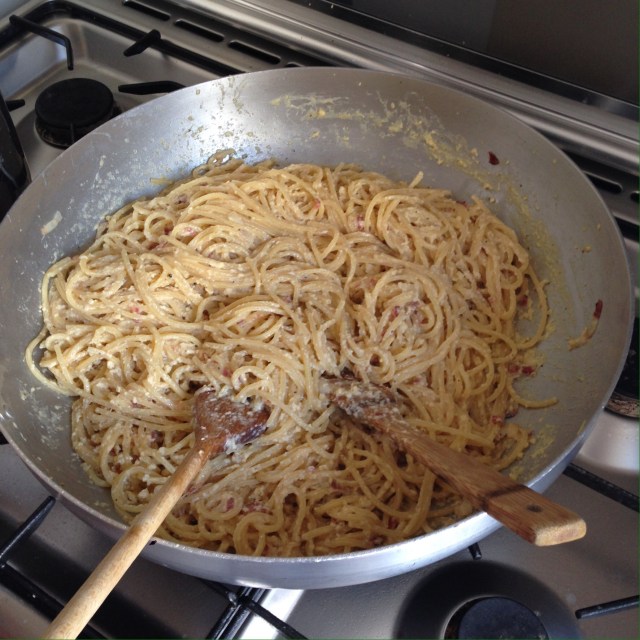
It was molto bene
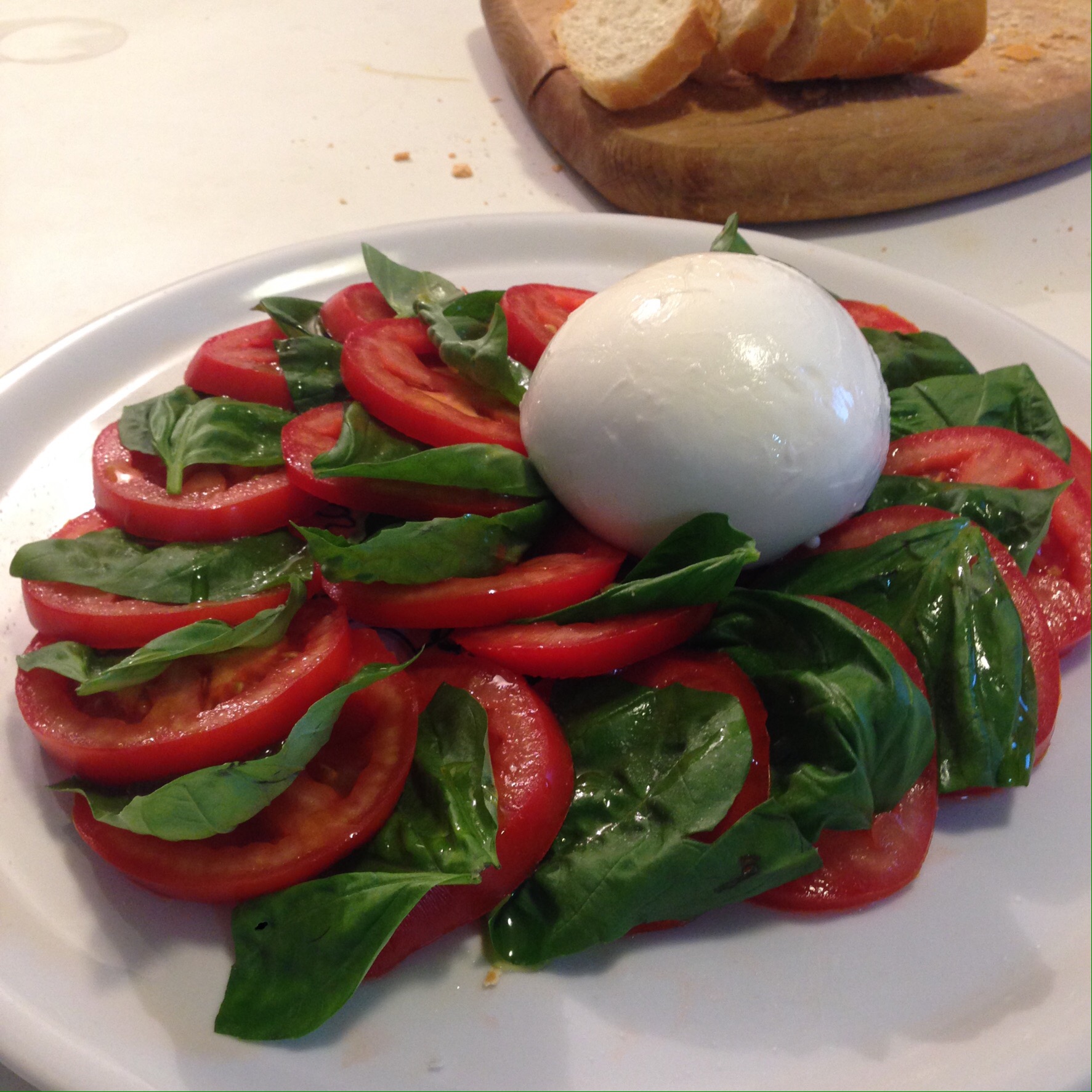
Andrew and I bought delicious buffalo mozzarella, fragrant basil and beautifully ripe tomatoes (nothing like the slightly green, huge tasteless ones you often get in Australia) to make Caprese salad. According to Giovanni, yet again, you’re not meant to cut up the mozzarella until you’re eating it because otherwise you lose the milk inside. So it’s not good when you go to a restaurant and the mozzarella is already sliced.

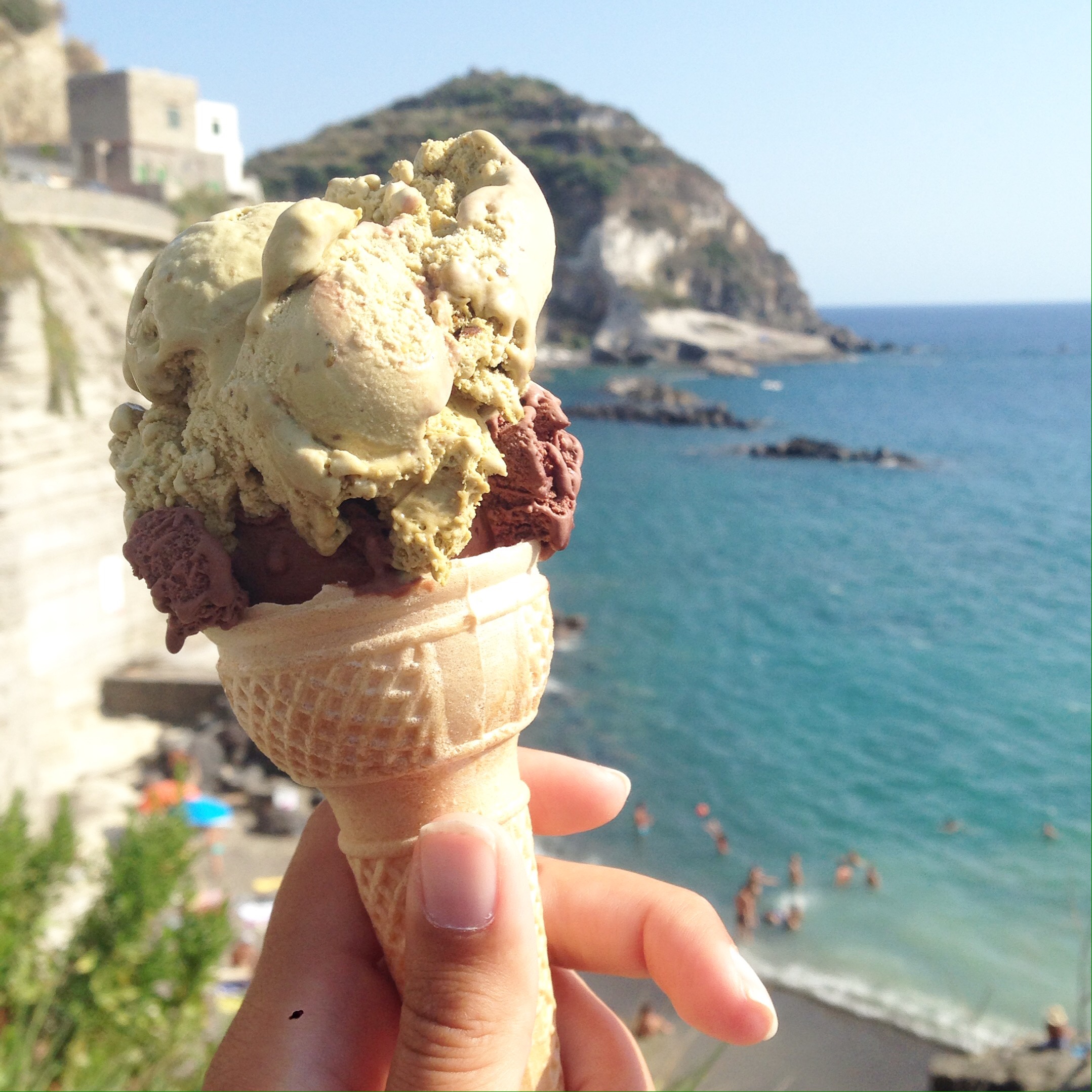
There is a slew of amazing Gelaterias around the city for the sweet teeth among us. Casa Infante does a particularly gooey gelati.
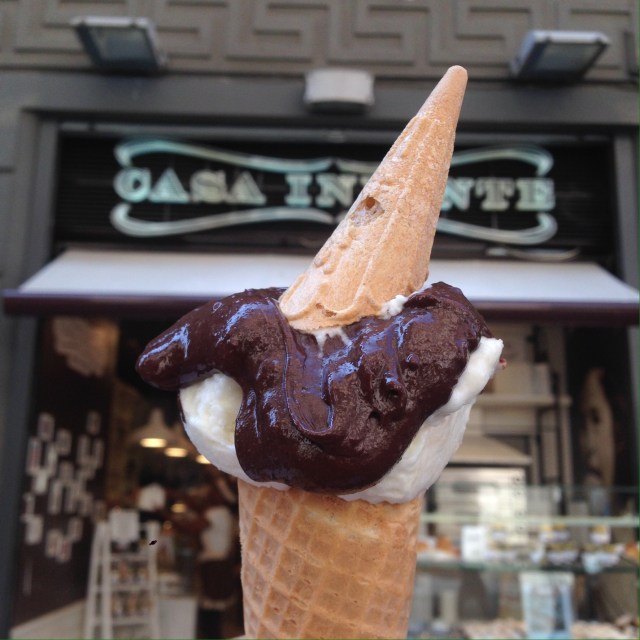
Casa Infante
Fantasia Gelati is another place worth trying:

And finally, there are sweet stands all over the place! More so than in Rome I think. I tried the baba, which is a small yeast cake saturated in syrup. It was delightful.
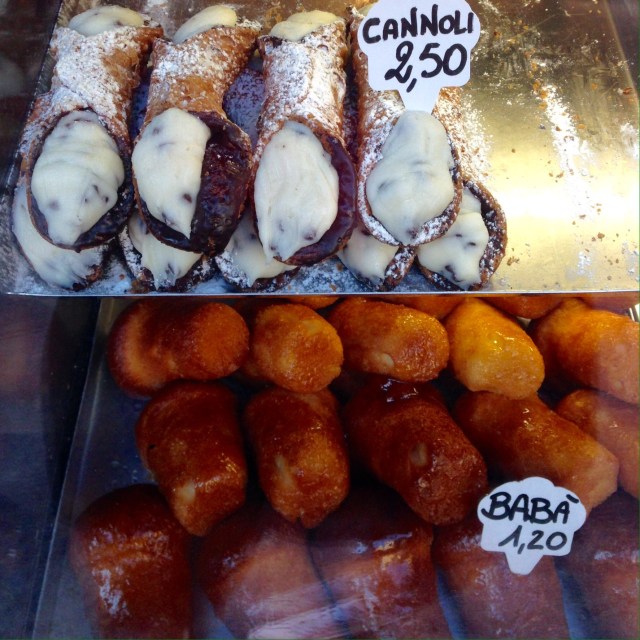
3 The history is fascinating
Not all Italian history is in Rome! Napoli has some fascinating sites. One of my favourites was a under the city. Napoli Subterranean is an attraction that takes you through the labyrinth of tunnels under the ground which have served many purposes since being created as a quarry by the Ancient Greeks in 470BC. The tunnels became Roman aqueducts (popular with criminals who used the early plumbing as a way to break into houses) and later an air raid shelter during WWII.

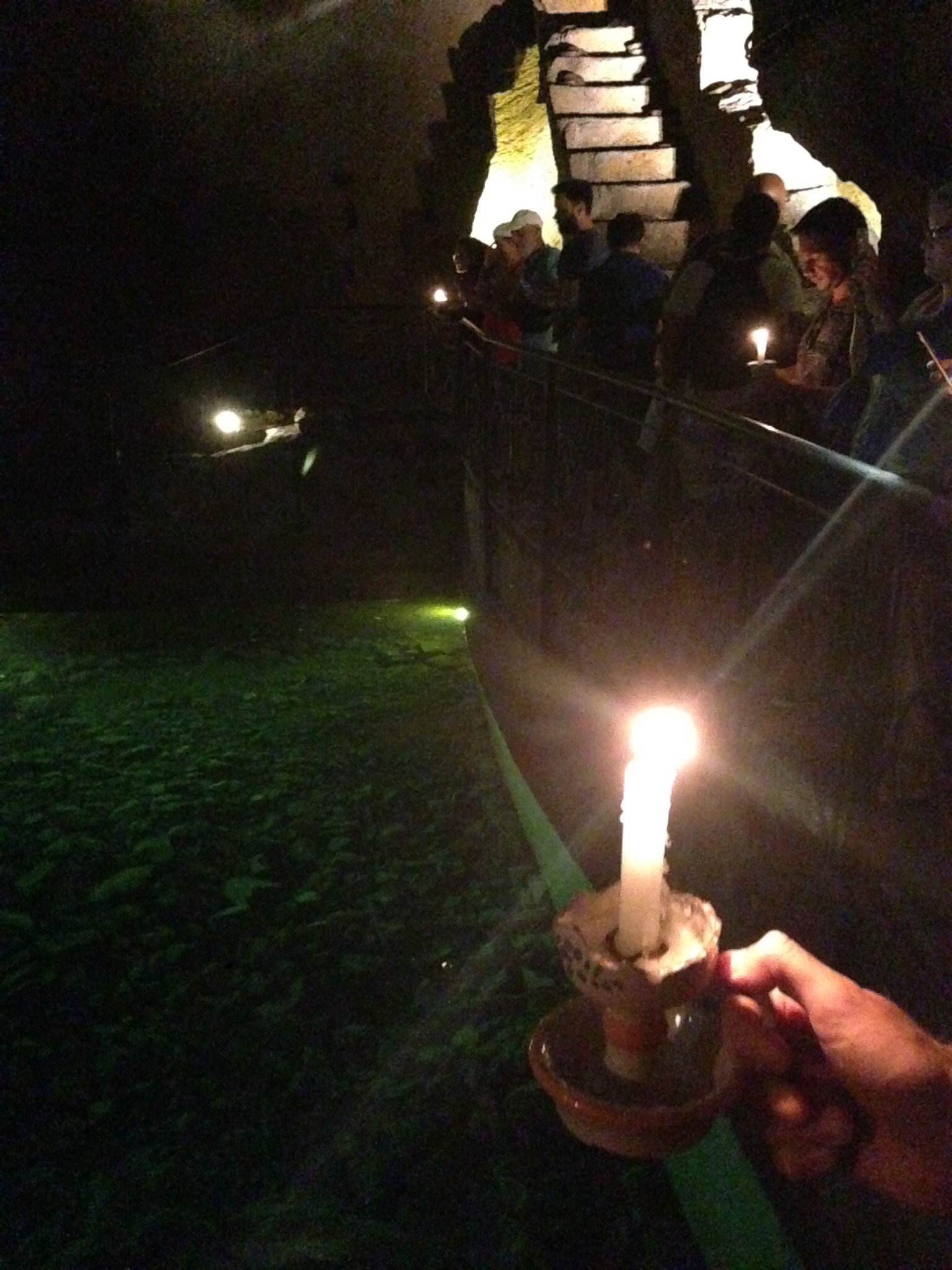
To see the ancient aqueducts you have to squeeze sideways through particularly skinny tunnels holding a candle (not for claustrophobes!).
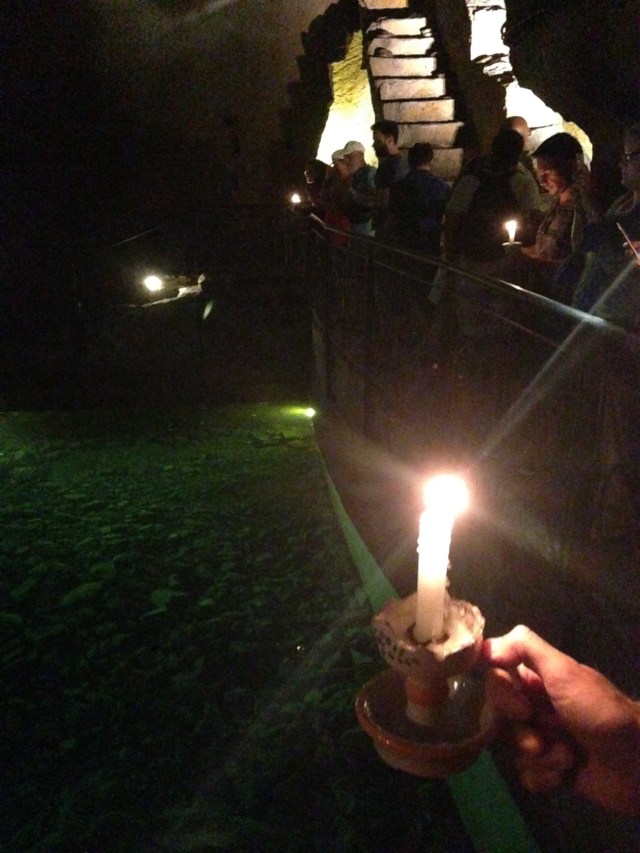
An aqueduct
It’s remarkably cool and quiet down there, vastly different to above ground! The tour finishes in an ancient 6000 seat Roman theatre that is the basement of an apartment building.
4 The architecture
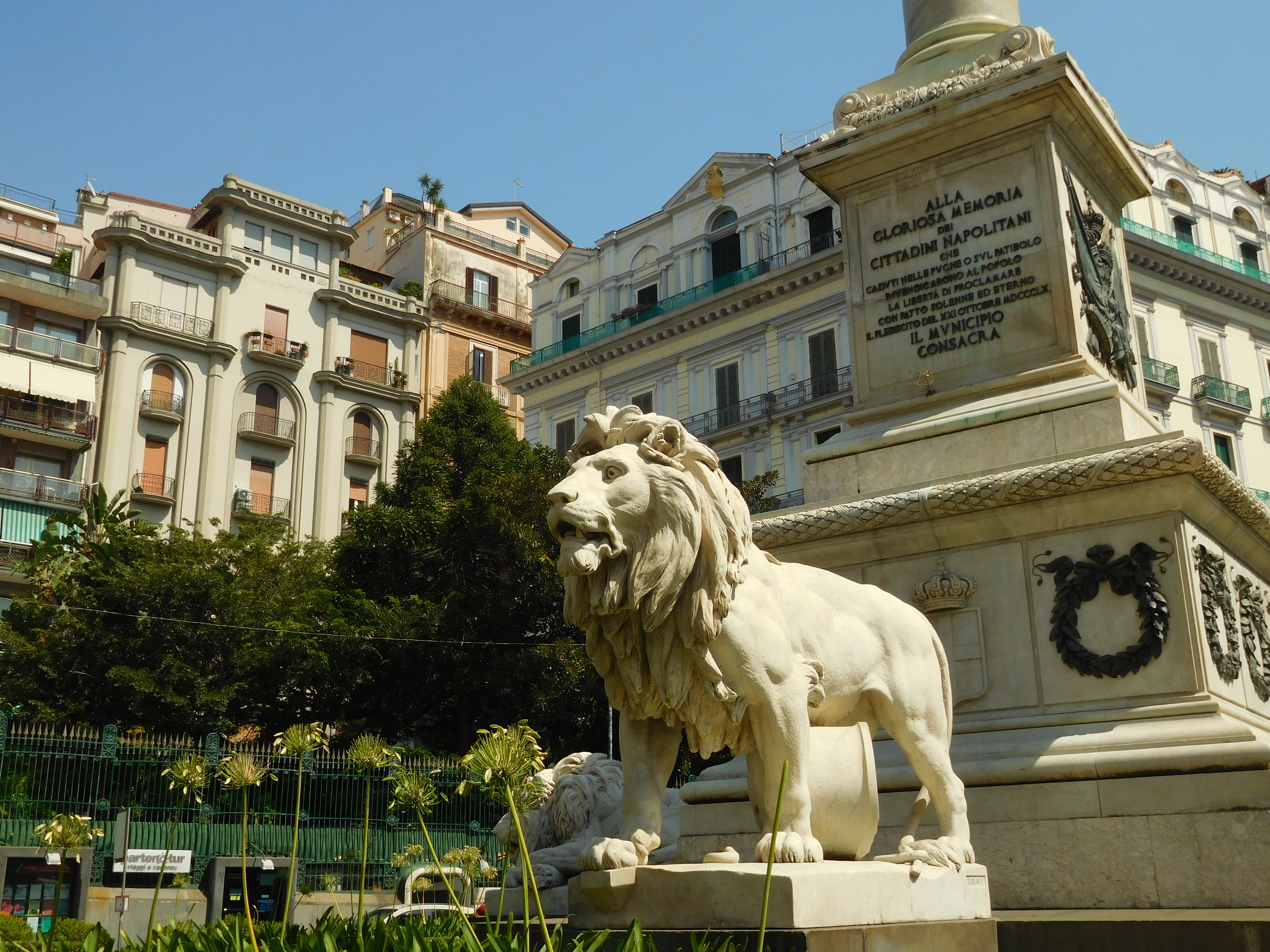
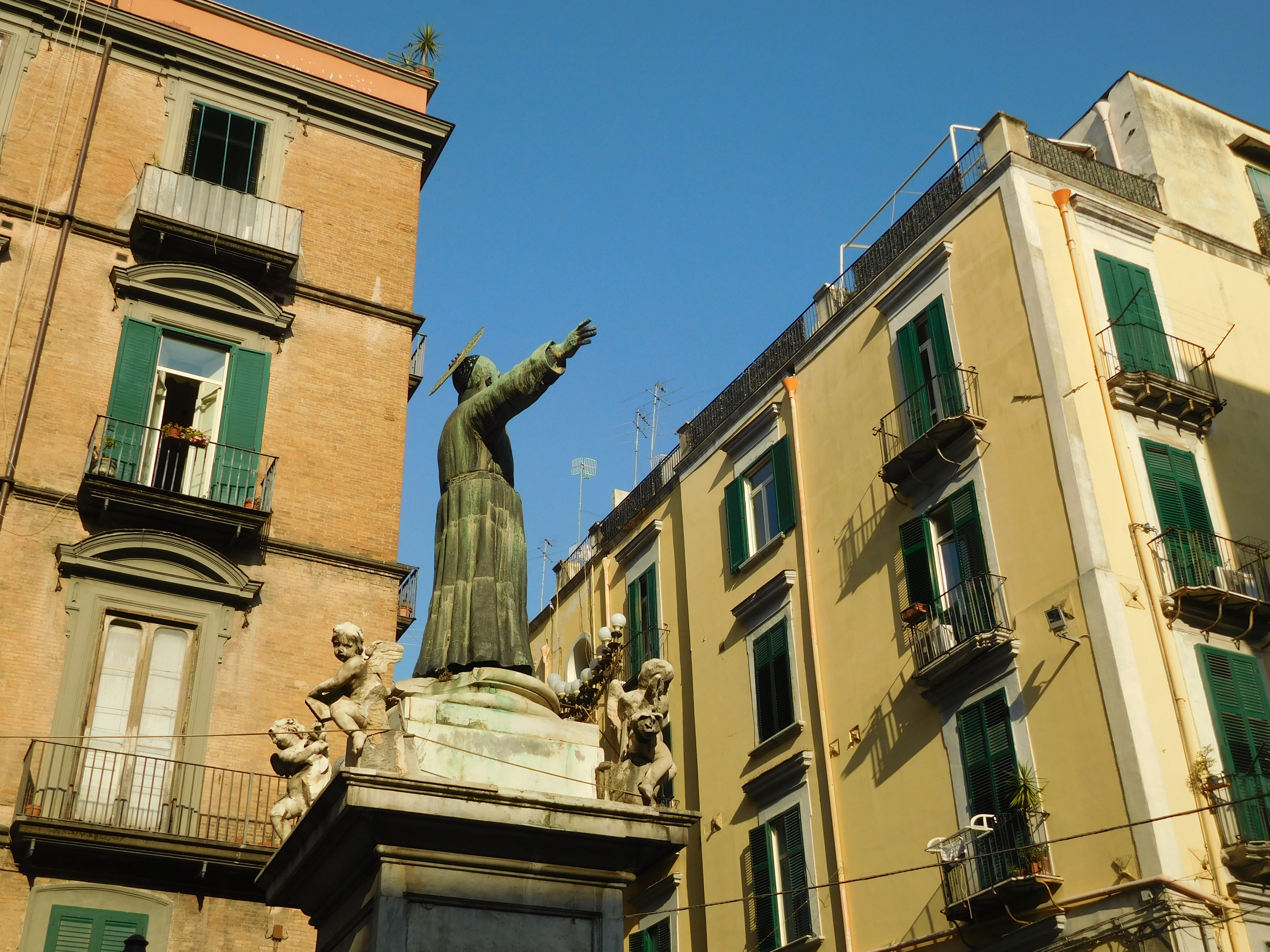
Ok, perhaps it’s not on the grandiose level of Rome, but the architecture in Napoli is really interesting. There are extraordinarily skinny streets that cars and scooters tear through at ridiculous speeds, tall apartment buildings with washing slung between them and busy balconies cluttering the space.

Then there’s beautiful piazzas like the one below with Neptune’s fountain in the middle.

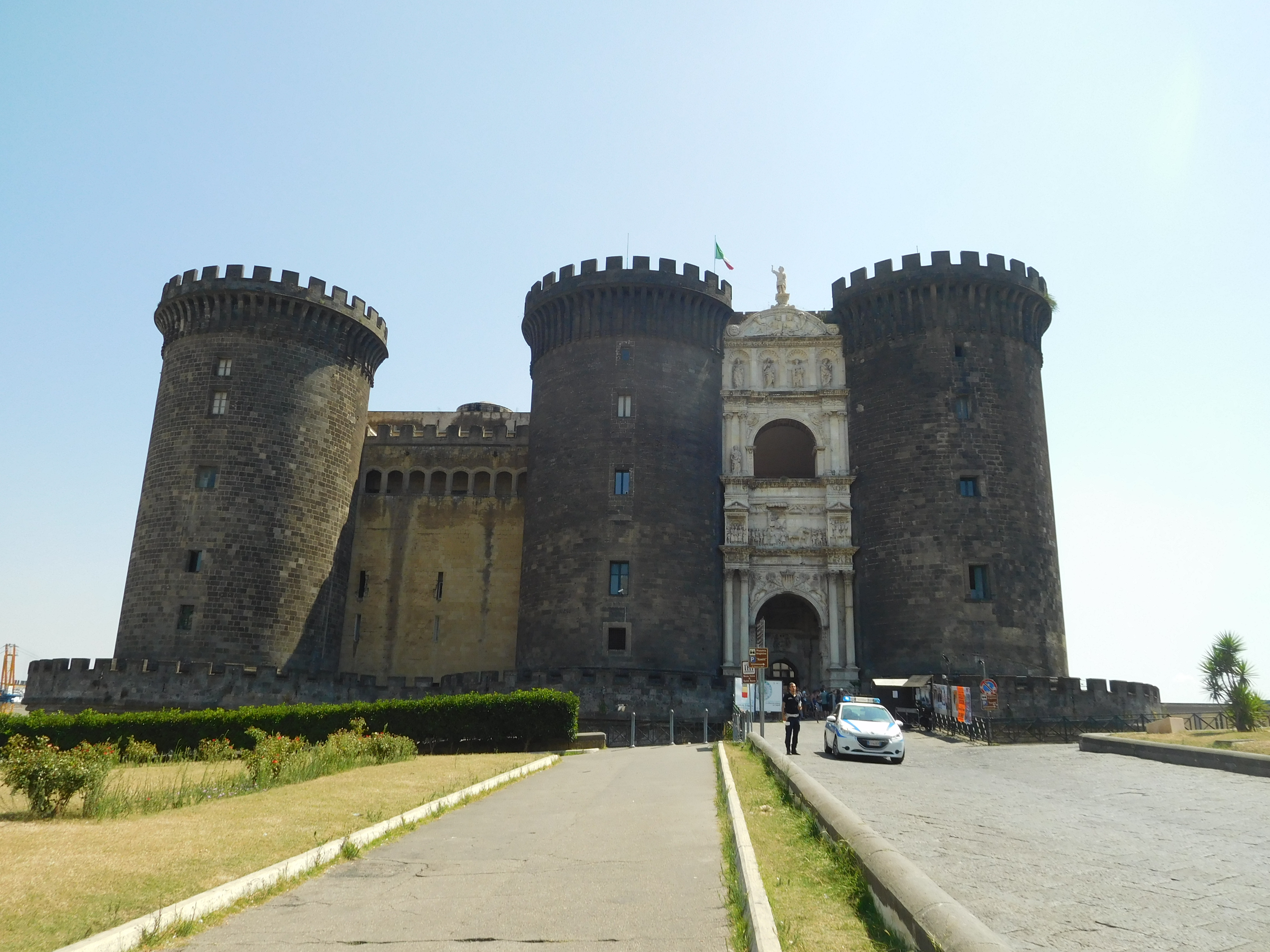
There’s this imposing Medieval castle on the waterfront:
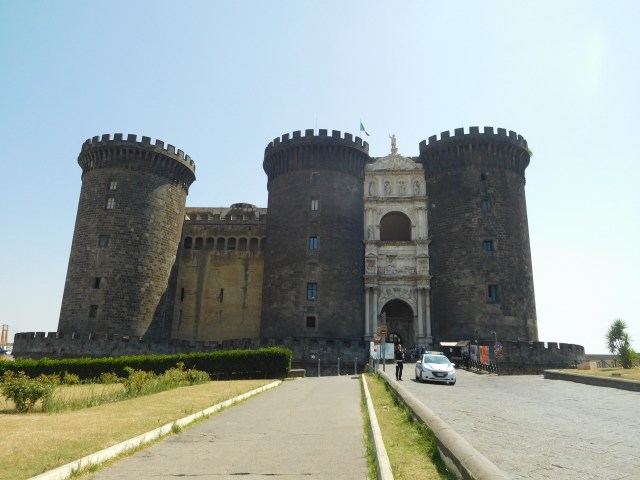
Castel Nuovo
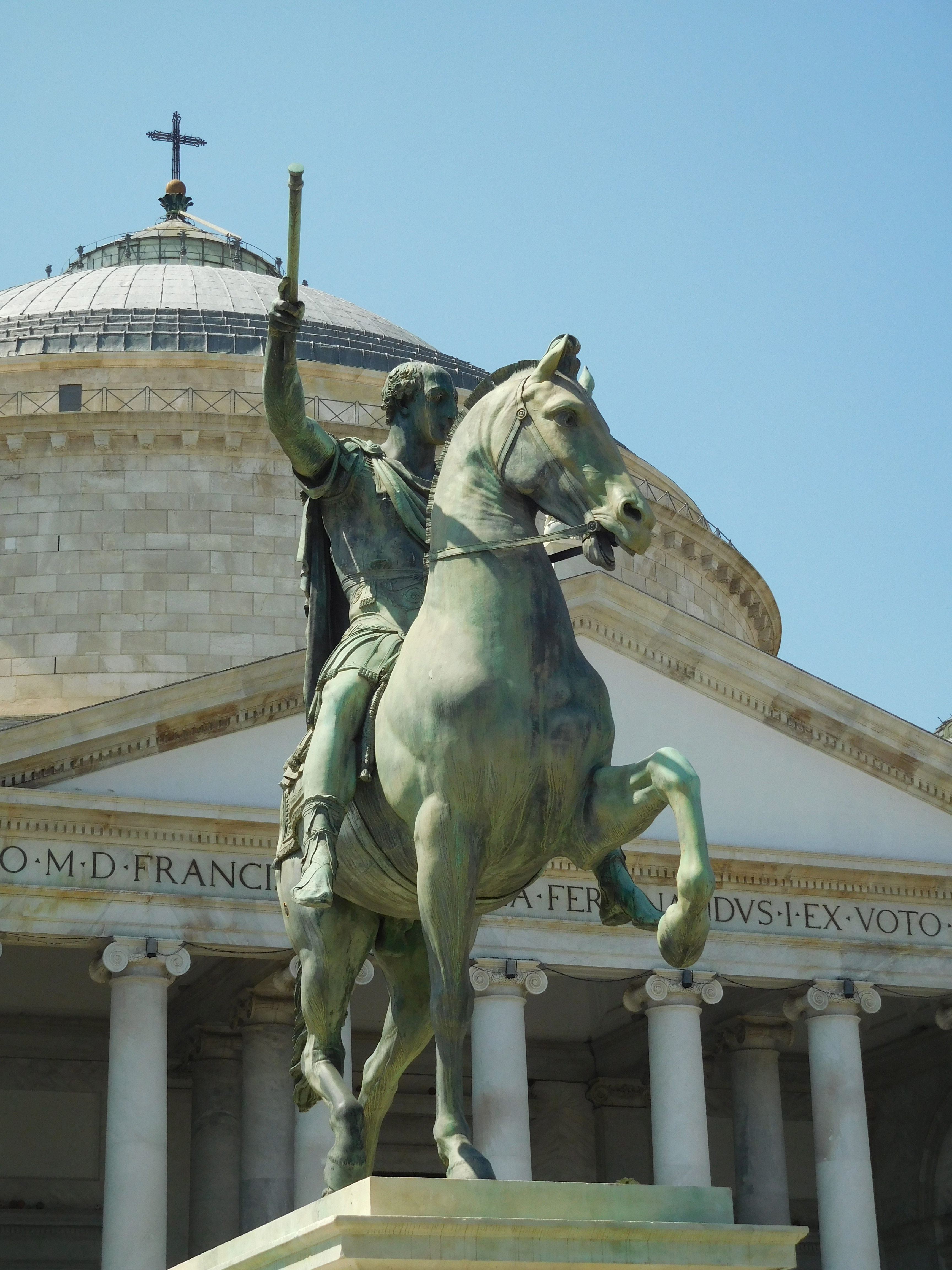
And a huge public square:
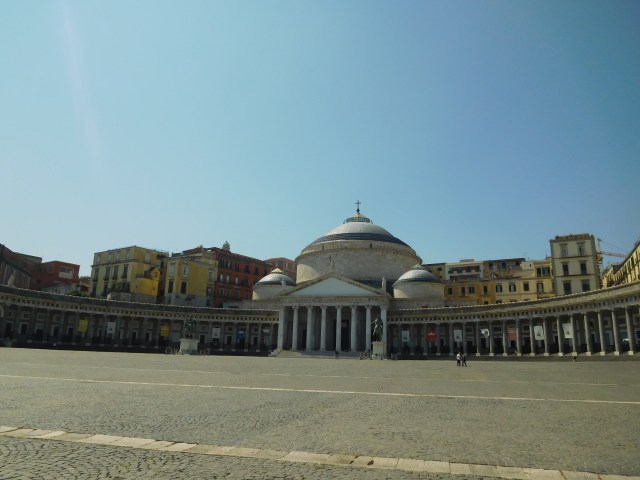
Piazza del Plebiscito
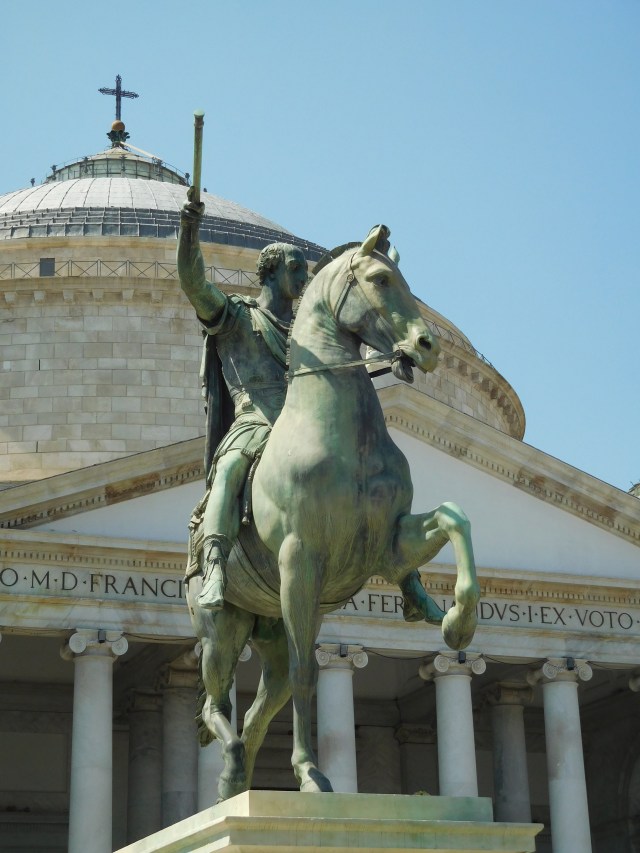
And pretty vistas around many corners:
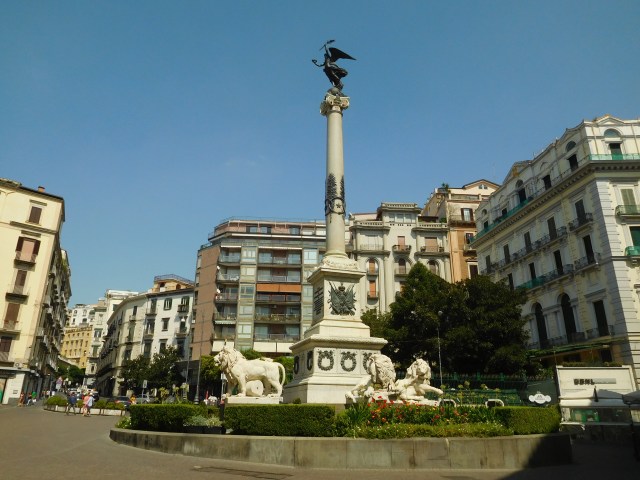
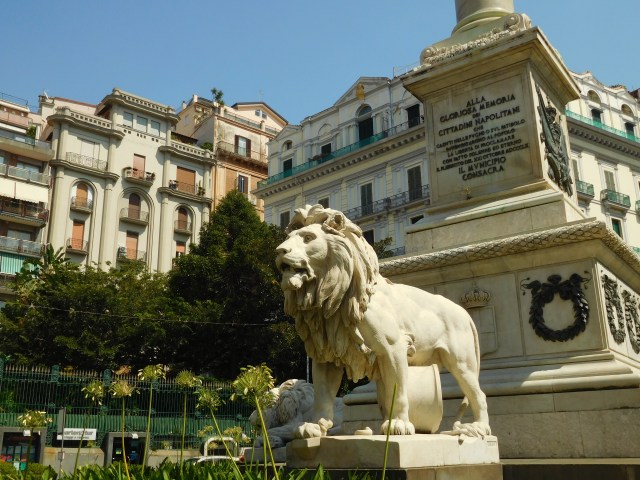

Some of the metro stations are absolute works of art. The installation at Toledo station is based around themes of light and water. The entire corridor above the platforms is covered in mosaic tiles with a tunnel of lights reaching 50m up to ground level.
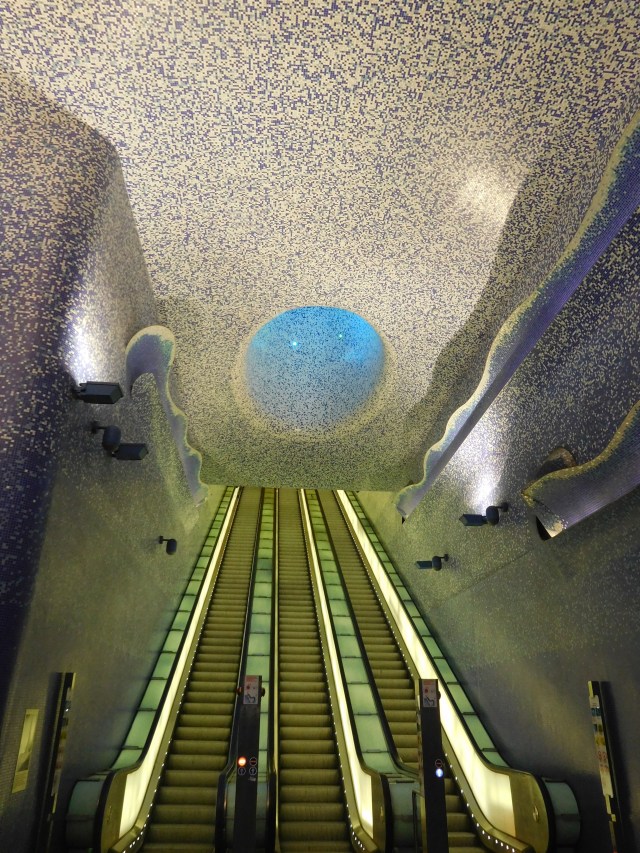

Looking up at the ceiling through the tunnel that reaches ground level
5 It’s the gateway to Mt Vesuvius, Pompeii and Herculaneum
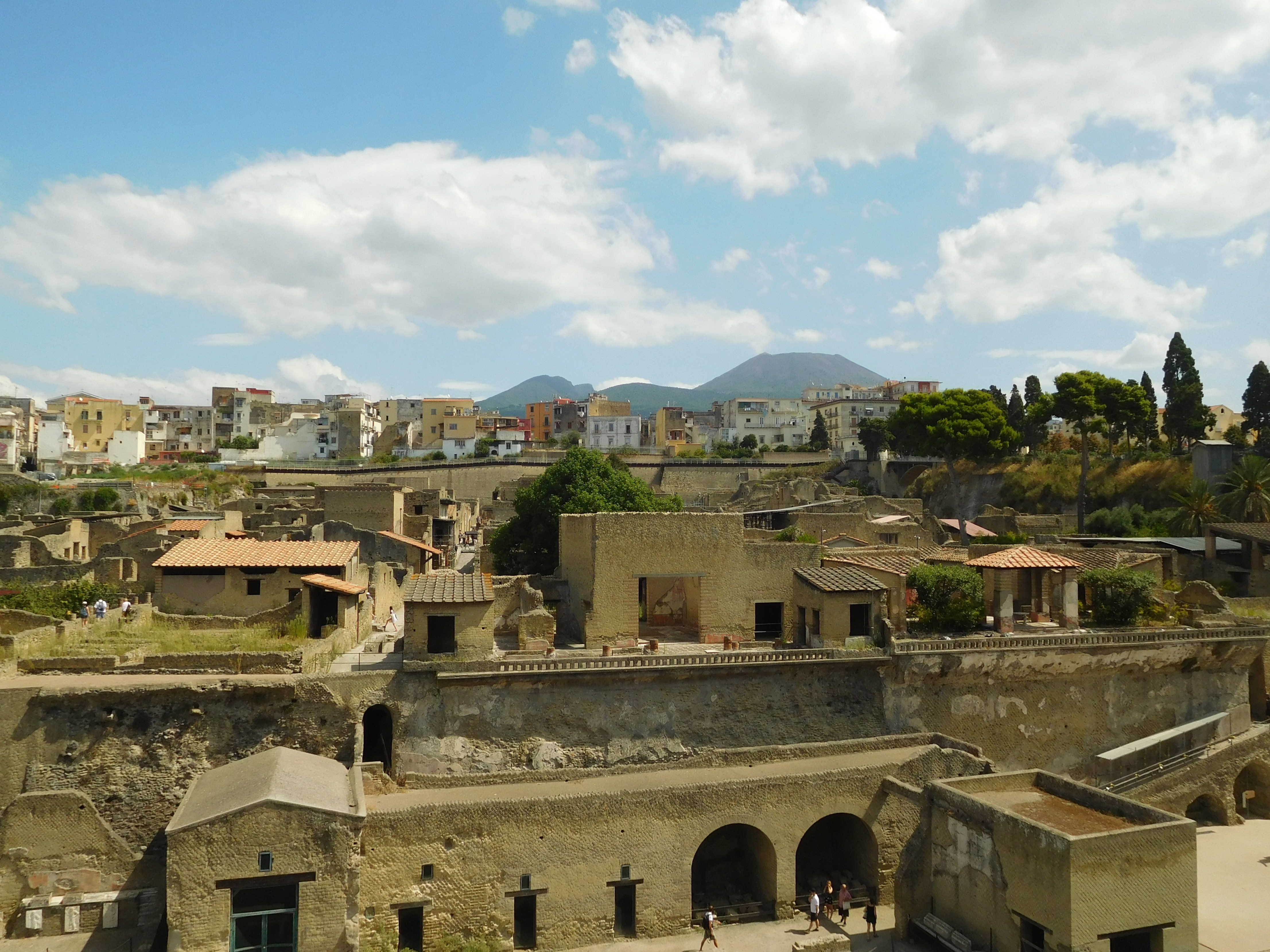
Although many Neapolitans believe there’s much more to Napoli than its proximity to Mt Vesuvius and the towns that were covered in ash during the eruption of 79AD, there’s no arguing it’s a plus. Just a short train ride will take you to Pompeii and Herculaneum. Never heard of Herculaneum? I hadn’t either, but it’s remarkably better preserved than Pompeii and as a result, offers a clearer display of life almost 2000 years ago.

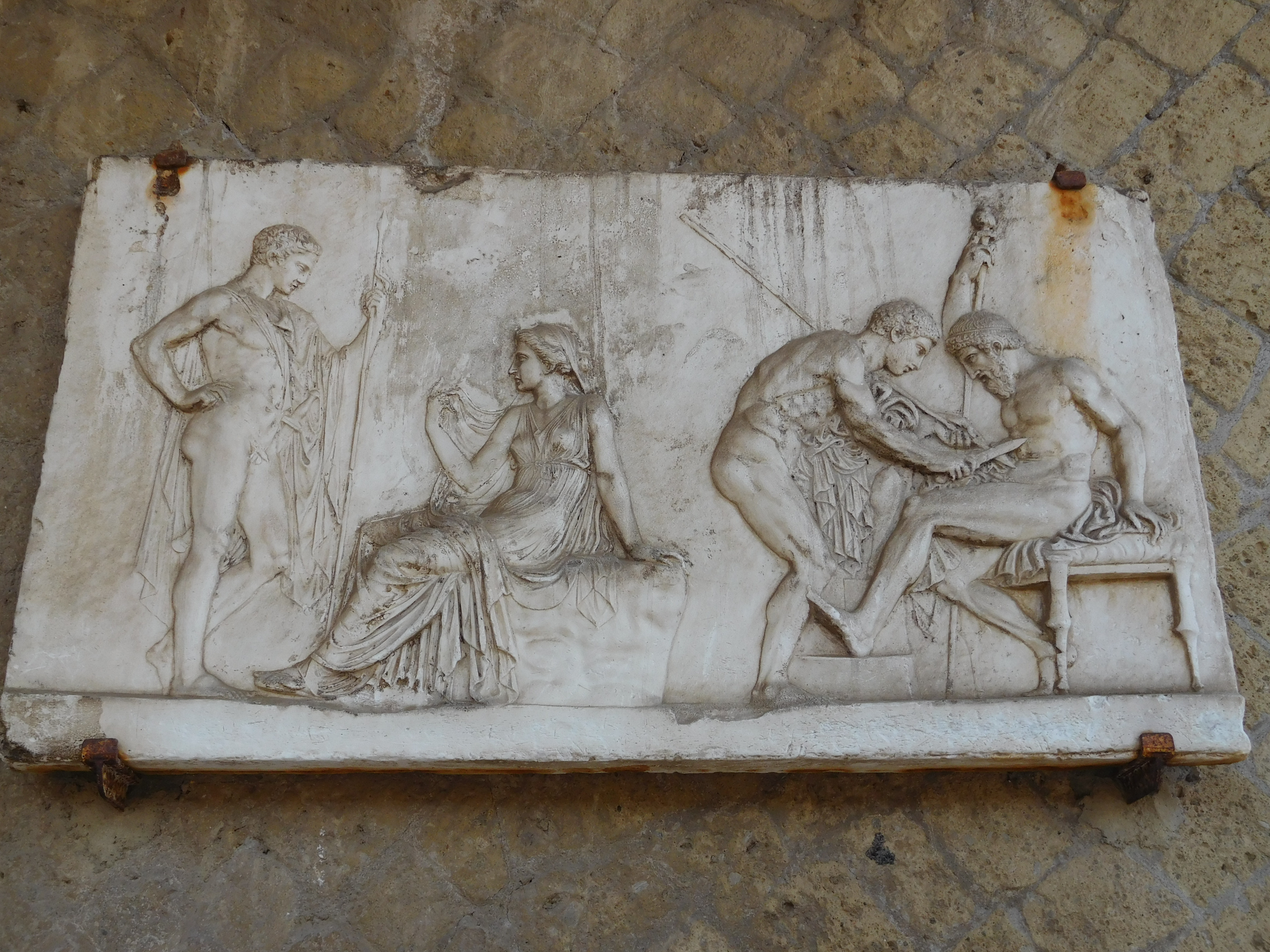
It’s smaller than Pompeii, but the well preserved woodwork, artwork and facets of early life make it utterly fascinating.
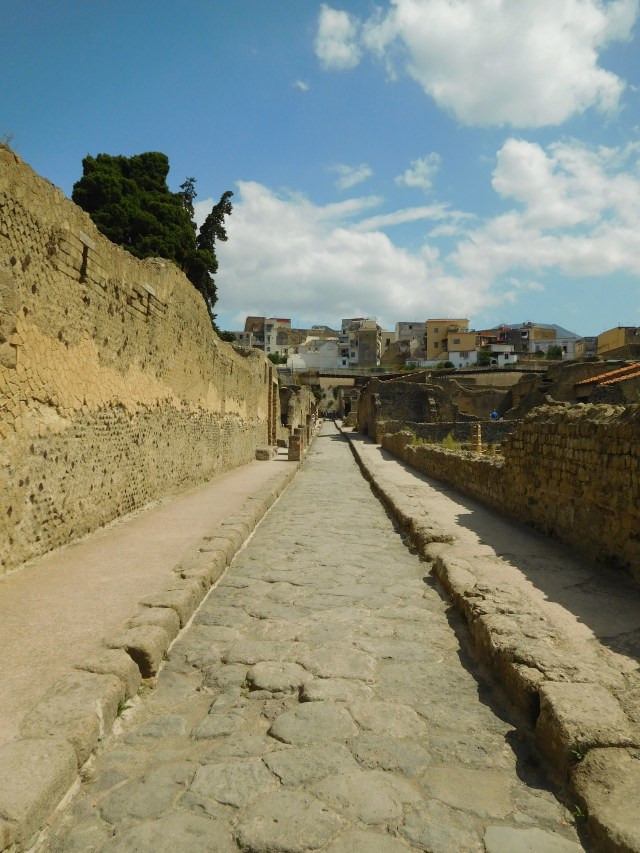

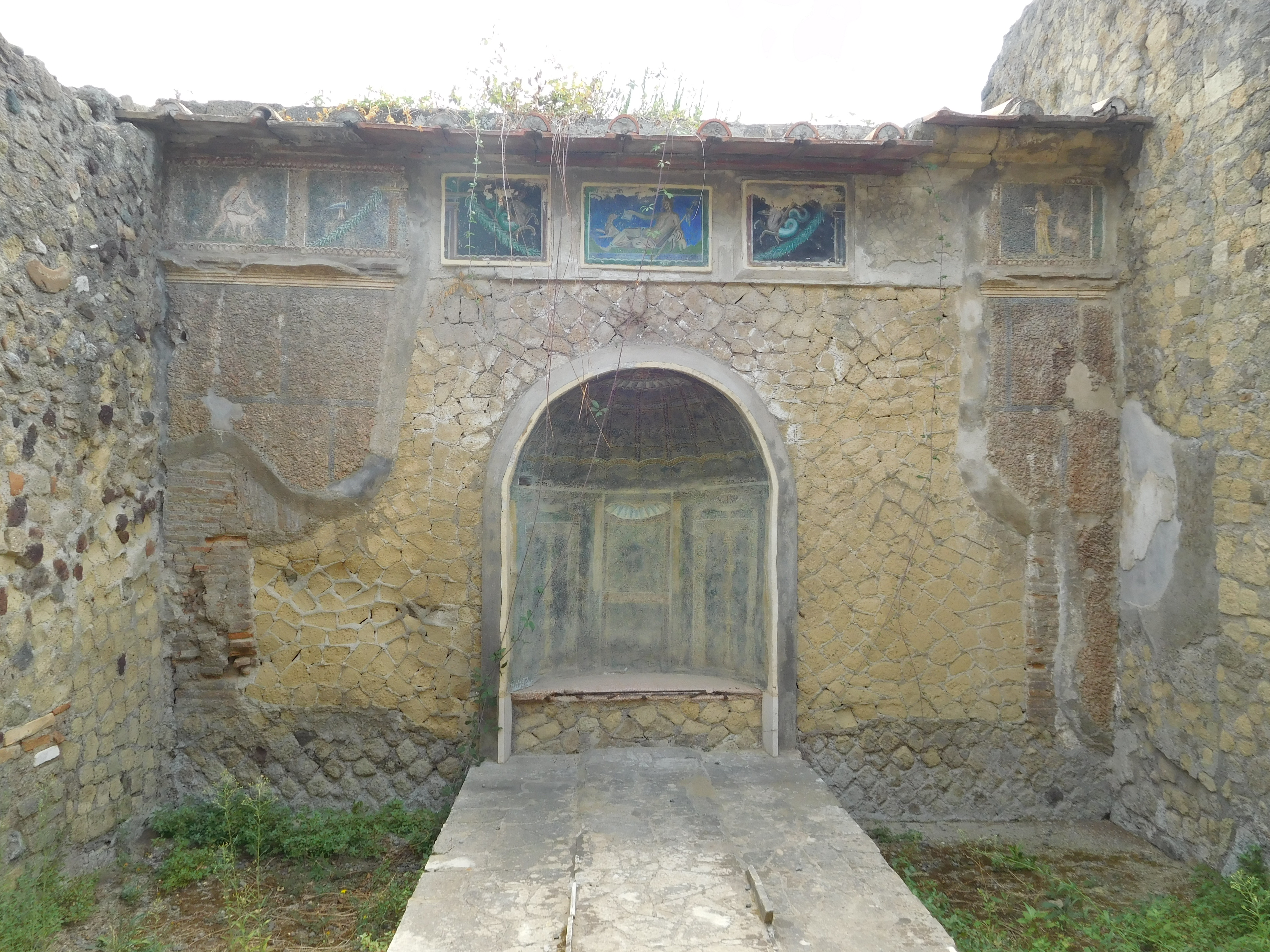
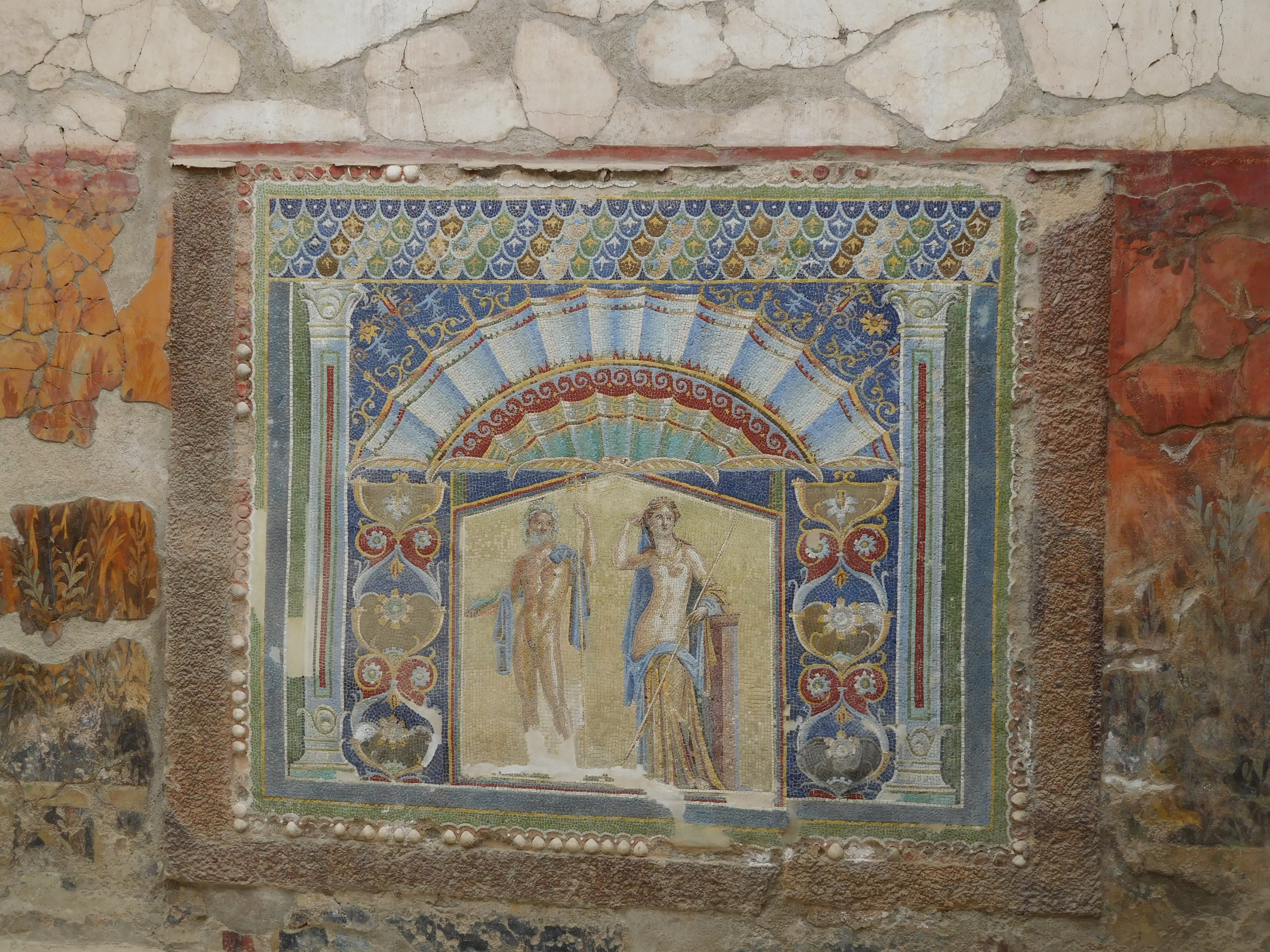
How are these frescos still there?!

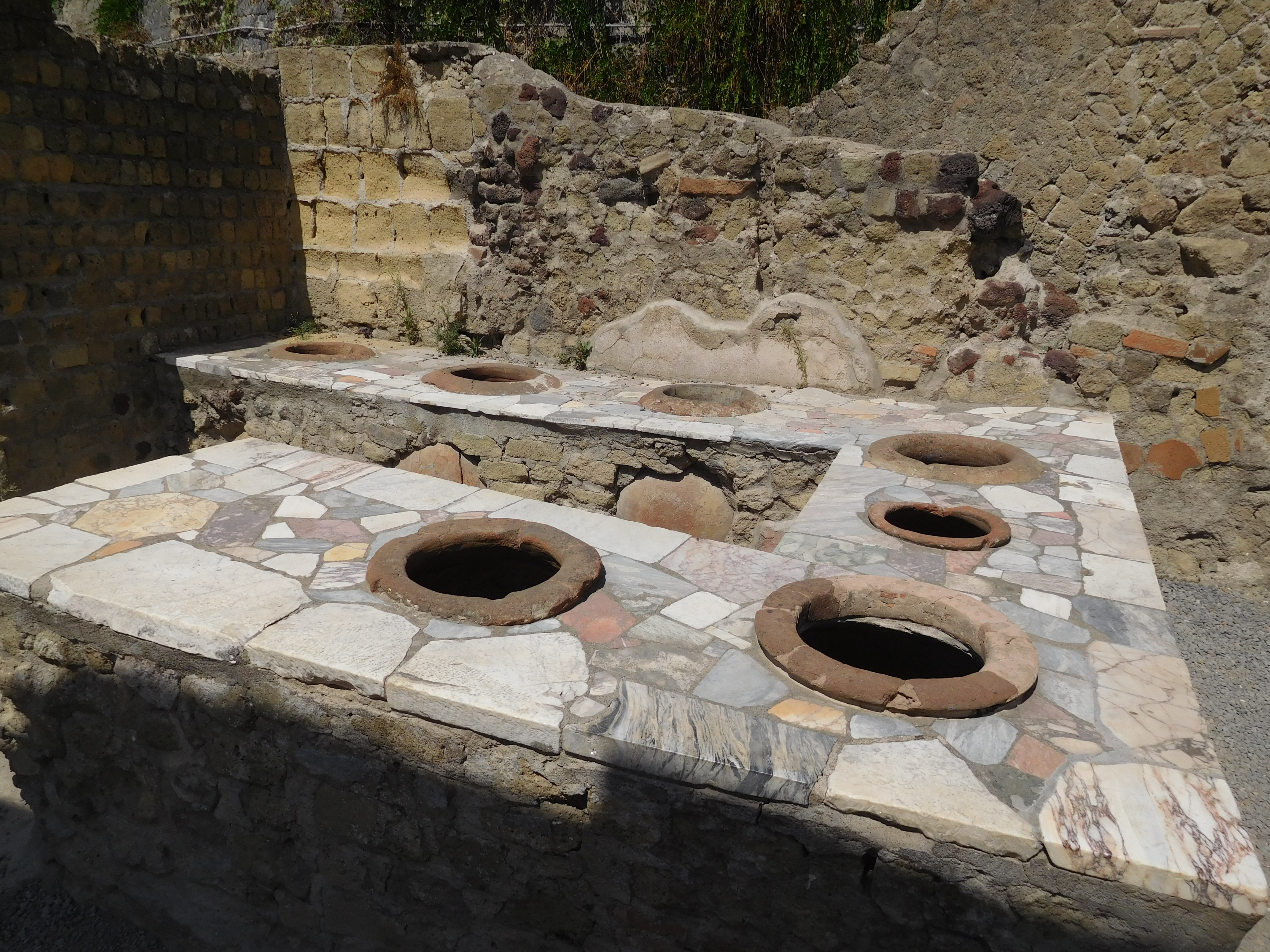
Those holes are the tops of large terracotta pots that once held food for sale

My Indiana Jones look
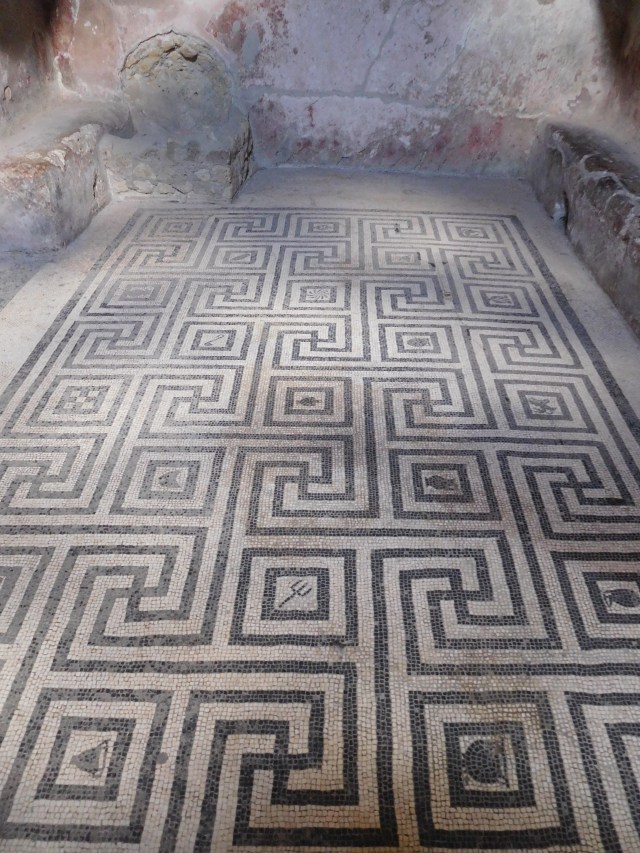
This is an amazing mosaic floor in one of the Roman baths


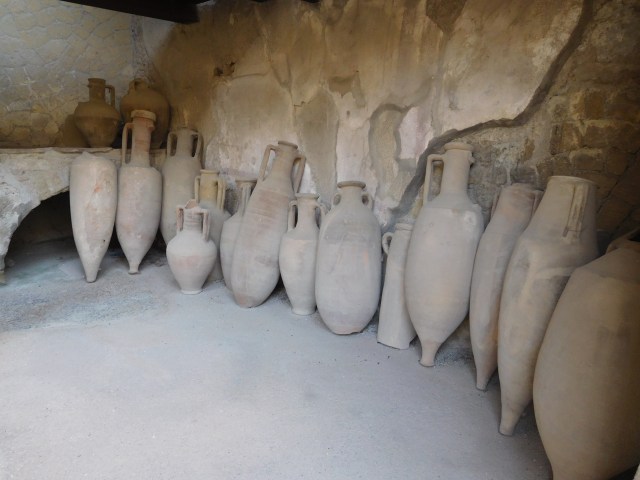
Original pottery

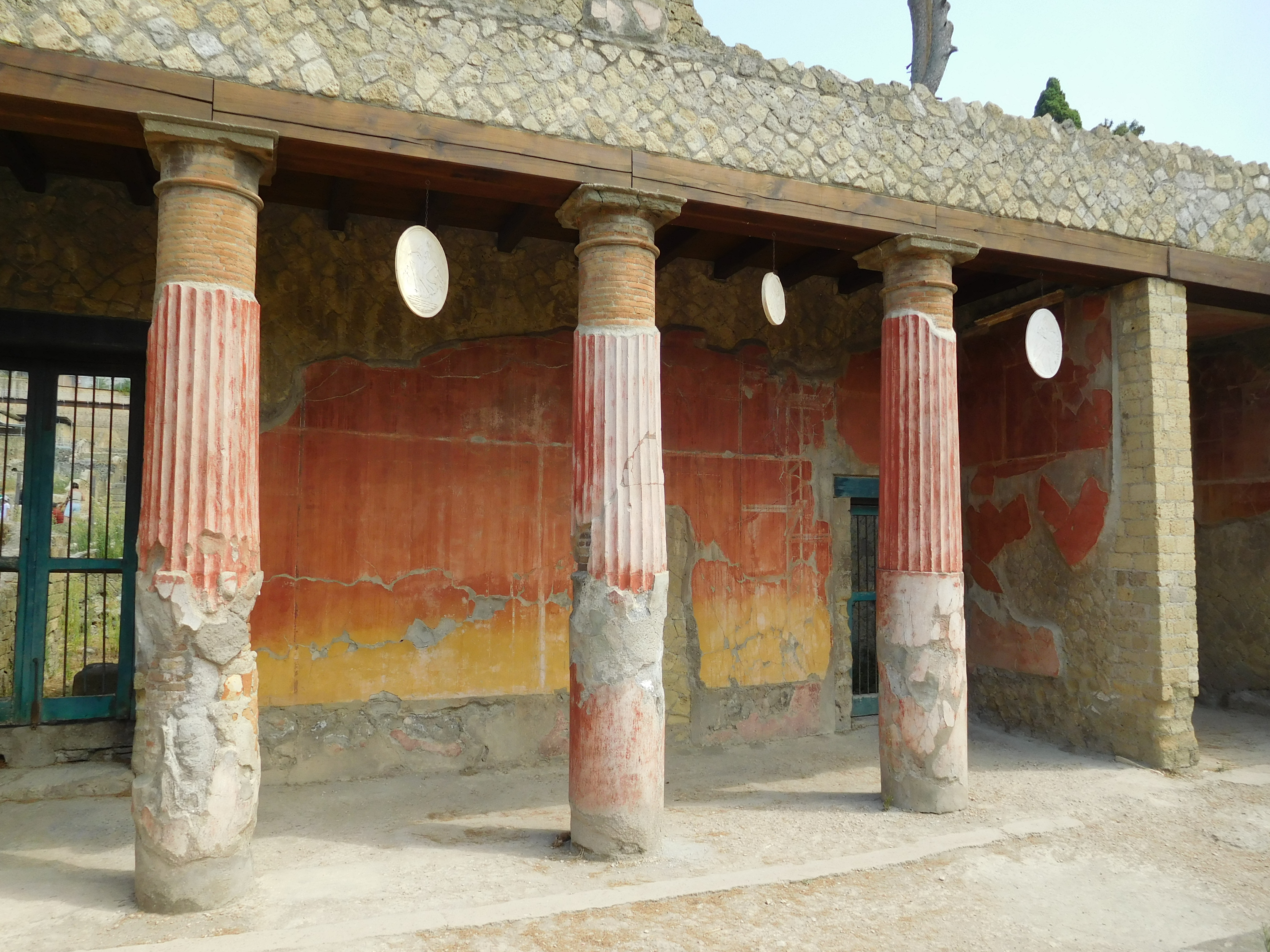
Such vibrant colours
It’s amazing to think how colourful the place must have been.


If you don’t like skeletons look away now…

There are tragic, amazingly well preserved skeletons of people who tried to avoid the volcano’s wrath.
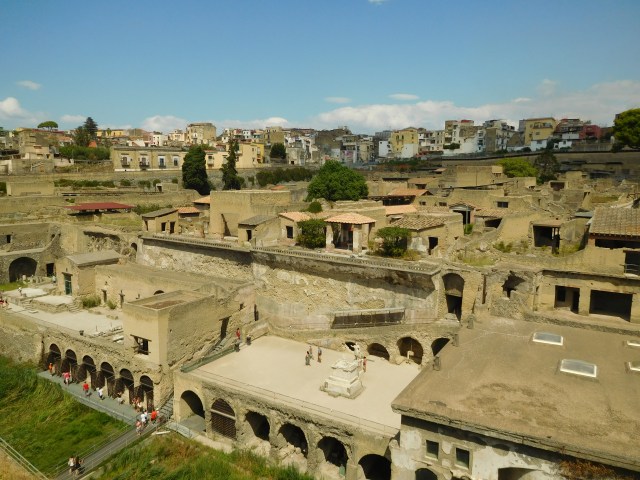
Overview of Herculaneum
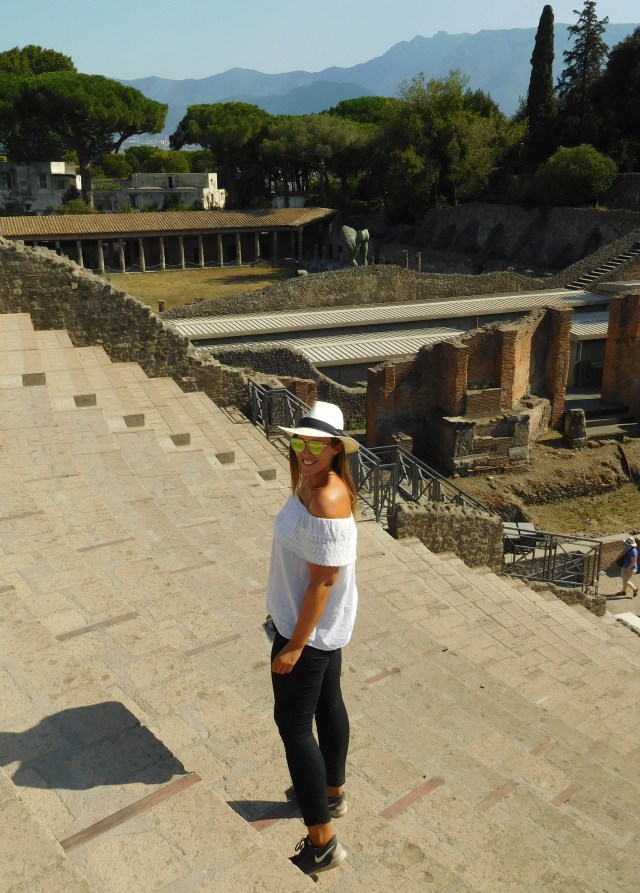
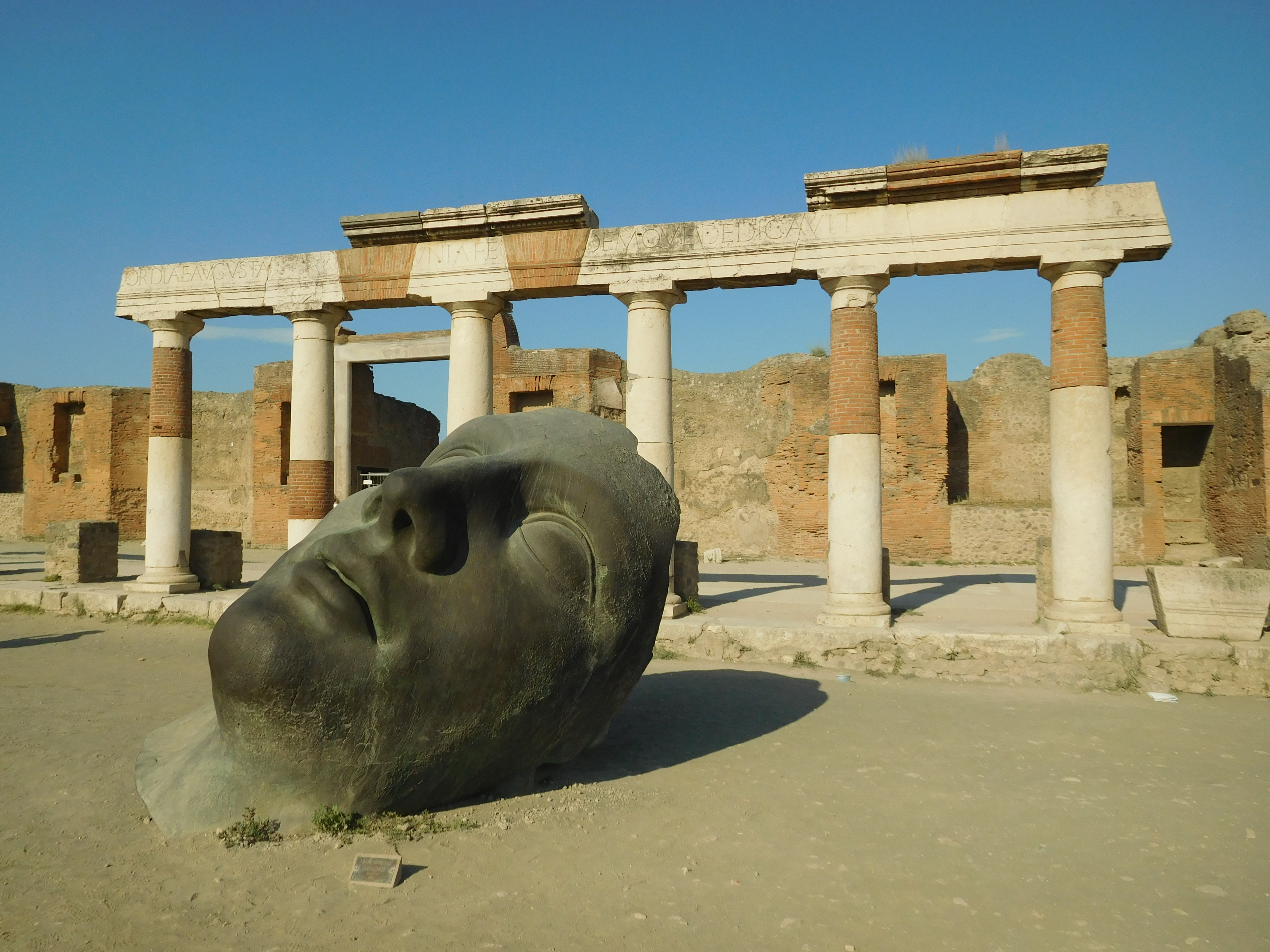
After exploring we jumped on the train and headed to Herculaneum’s famous cousin Pompeii. There is rather amazing art installed throughout Pompeii. The effect of huge ‘broken’ statues really gives the feeling of something that was once much grander.

The area where gladiators used to train

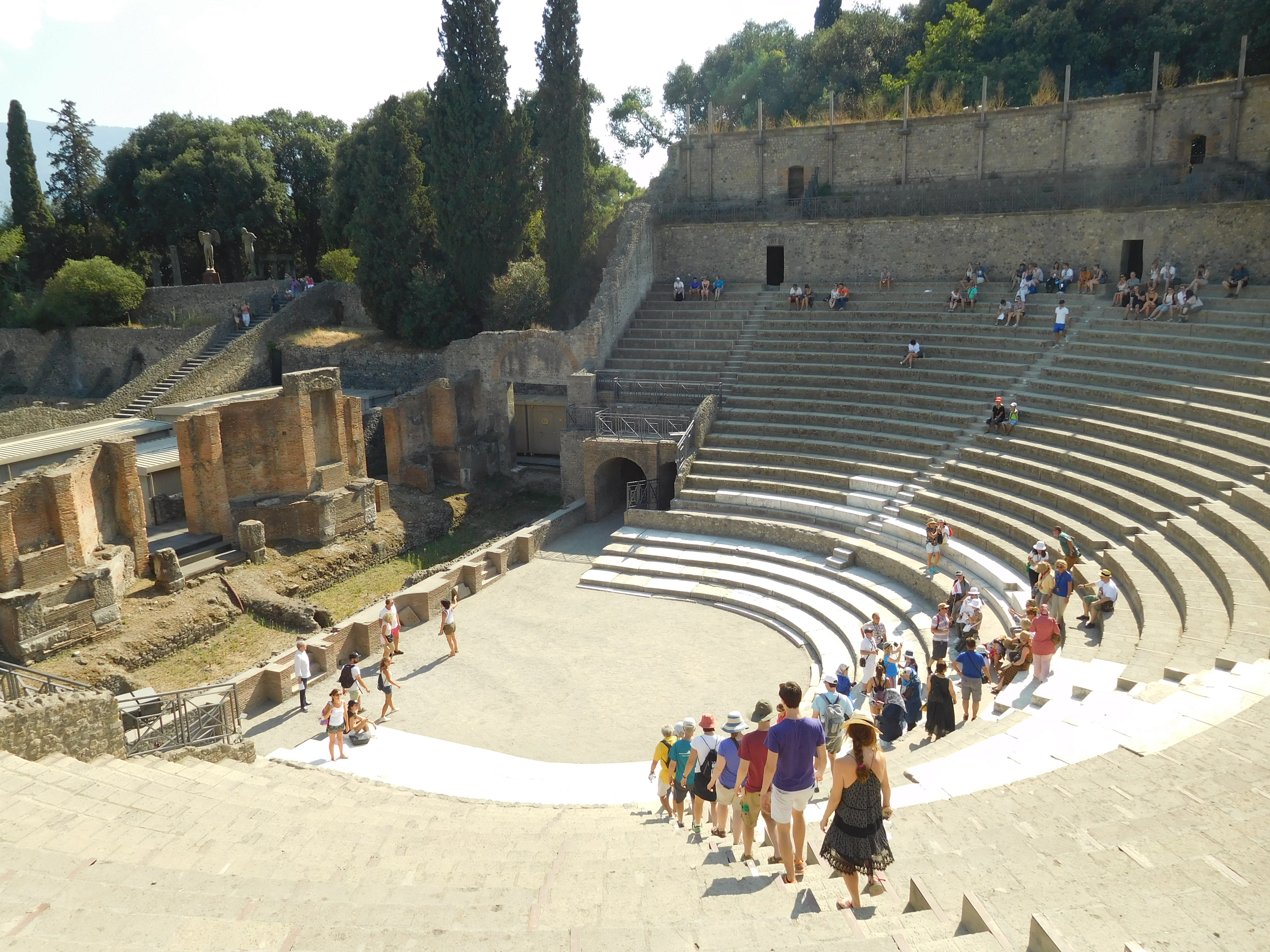
An ancient theatre
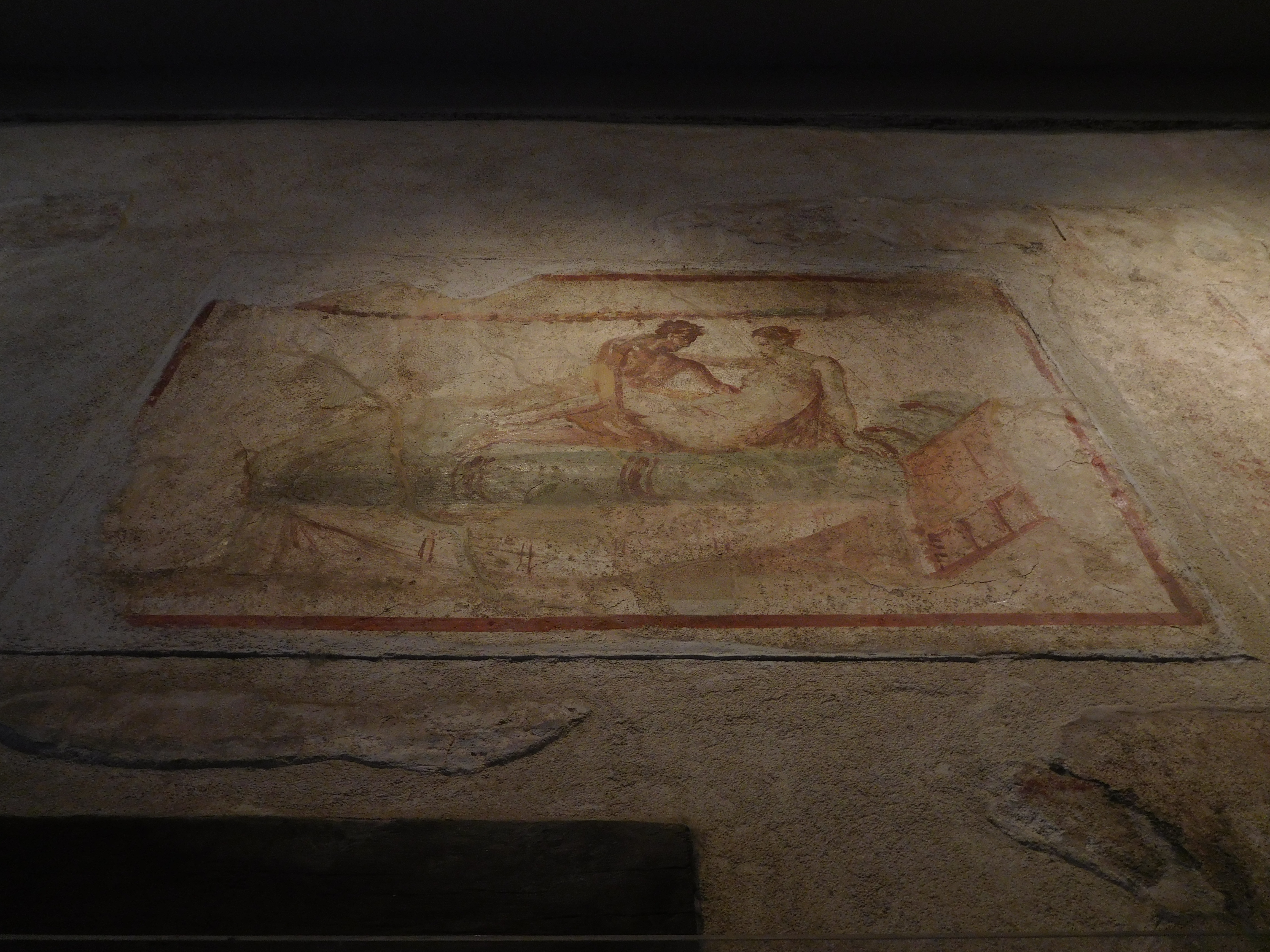
The busiest part of Pompeii was, predictably, the ancient brothel. Amazingly, the frescoes on the walls in the brothel survived the eruption and so the ‘menu’ of services is still clear.

The stone beds survived as well. I felt very sorry for the parents in our group, whose kids were asking what a brothel is. Awwwwkward. There are also phallic symbols dotted around the city pointing people towards the early red light district. An ‘ancient Google maps’ as our guide put it.

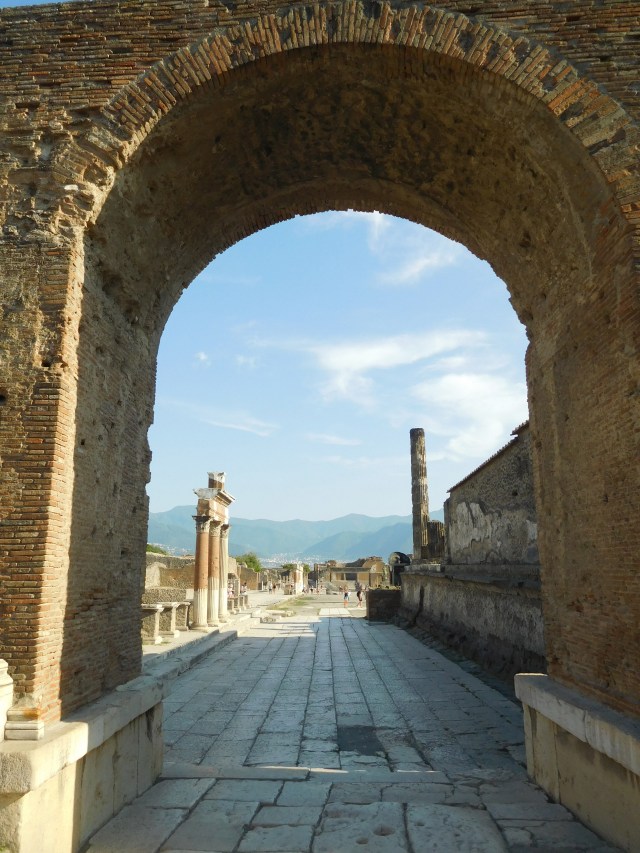
The forum
It’s definitely worth taking a tour, as nothing is signposted.

The forum

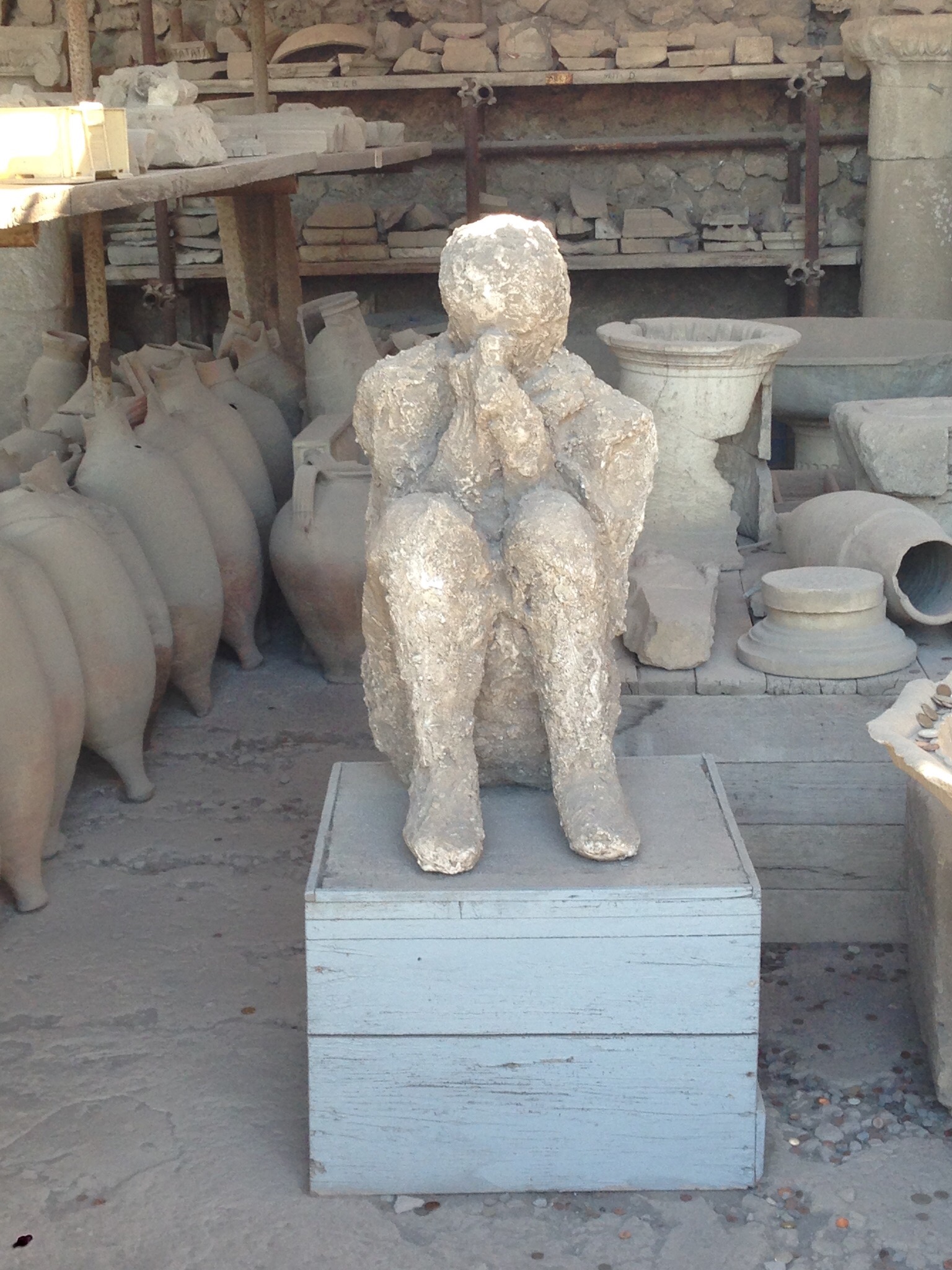
When I was a kid I was deathly afraid of volcanoes, firstly because I saw ‘Dante’s Peak’ on a plane. This was back in the days when there was one movie for everyone not individual screens and it scared the living daylights out of me. And secondly, because we had a book on Pompeii in my grade 1 classroom and there was an image inside that haunted me. It was an image of this:

A plaster cast of one of Pompeii’s victims
I’m please to report I managed to look at it without freaking out. And we were there on the anniversary of Vesuvius’ eruption.

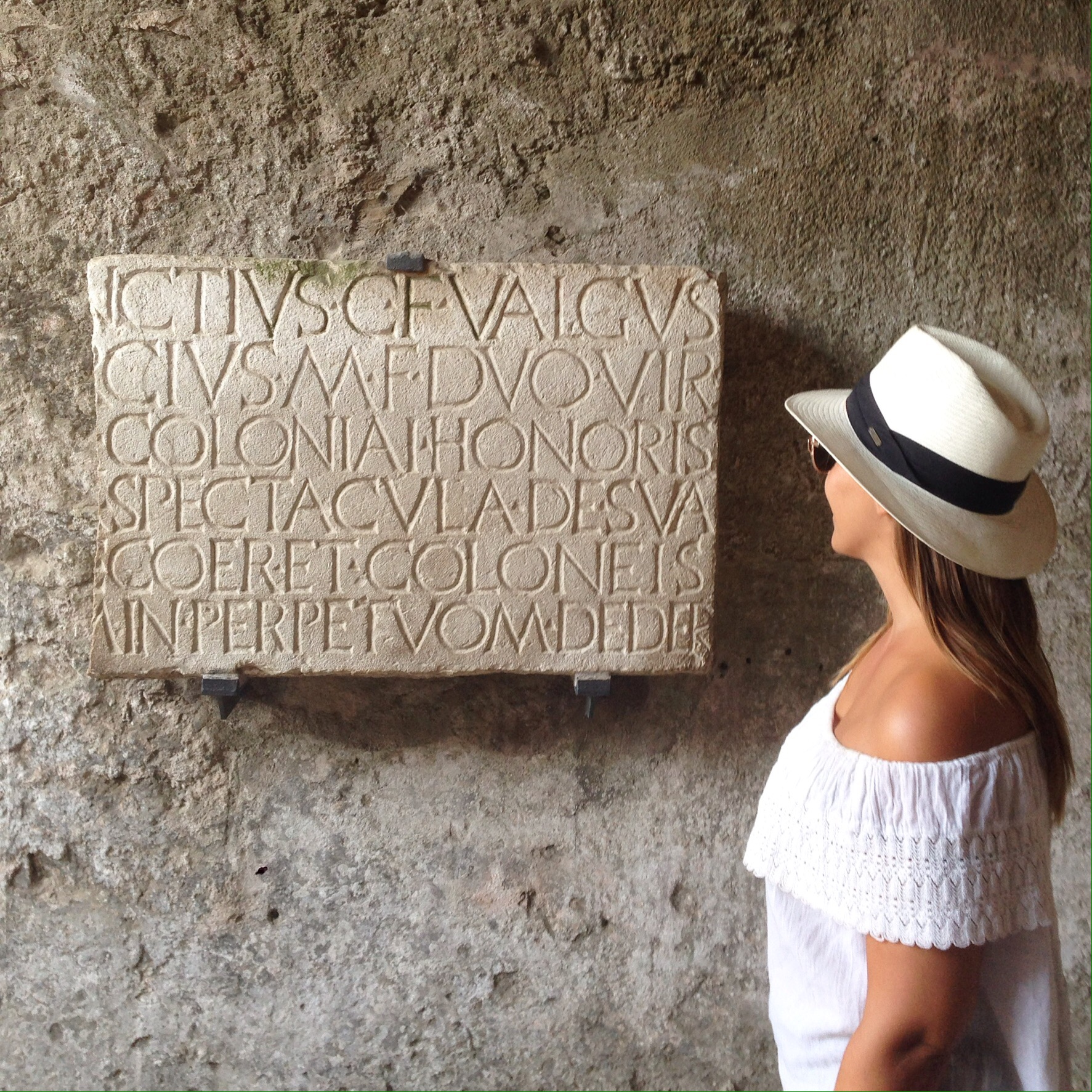
Pretending to read Latin
While we may not have spent Giovanni’s prescribed 9 days in Napoli and the surrounding areas, we really enjoyed our time there. It showed us another side to Italian life and is absolutely worth a visit.


































































































 My Bloggable Day